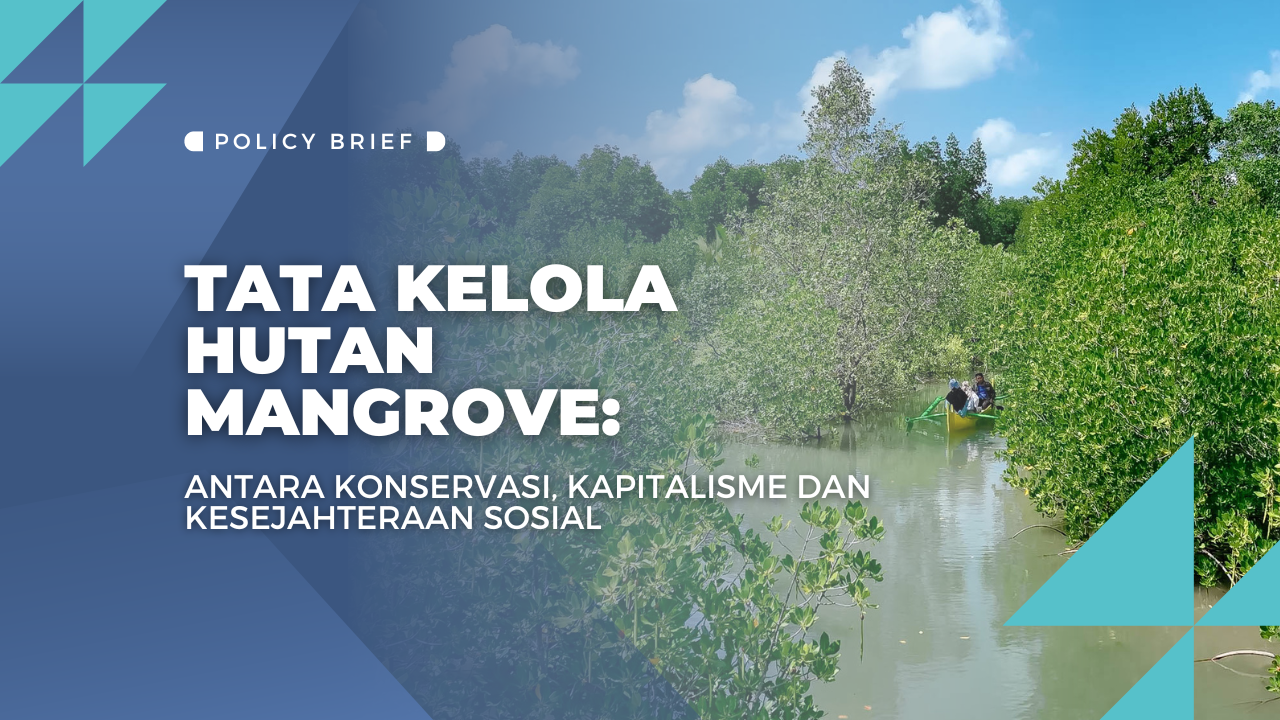
Mangrove Forest Manage: Between Conservation, Capitalism and Social Welfare · Global Voices
Aufhor: Ulfa Binada, Zulia Antan Ambarsari, & Auliya Fasya Grace Sanusi
(Indonesian CPDS researcher)
Forest management policy must be a priority for the government and society. The forest has an important role in maintaining the balance of the environment, providing natural resources that are essential to human life, and providing shelter for many flora and fauna species.
However, bad forest management can result in environmental damage, loss of biodiversity, and social and economic injustice. Therefore, it takes a policy that focuses on sustainable forest management and pays attention to the interests of all those involved.
- Here are some policy recommendations to improve forest management:
Developing a sustainable forest management plan by involving all related parties, including government, society, and the players of other interests. - Increasing surveillance and law enforcement to prevent illegal activities such as illegal logging, forest burning, and illegal mining.
- Increasing community participation in forest management by empowering local society to make decisions related to the forests they manage.
- Developing the society's economic empowerment program through agroforestry, eco-tourism, and environmental product development.
- Applying forest restoration programs to restore damaged forests and restore the ecosystem.
- Applying certification systems for wood products that are produced from forests that are sustainable, so that they can be recognized and appreciated by consumers.
In order to succeed in improving forest management, there needs to be a strong collaboration between all related parties and an active awareness and participation of the entire society. With good forest management, the forest can give long-term benefits to human life and the ecosystem around it.