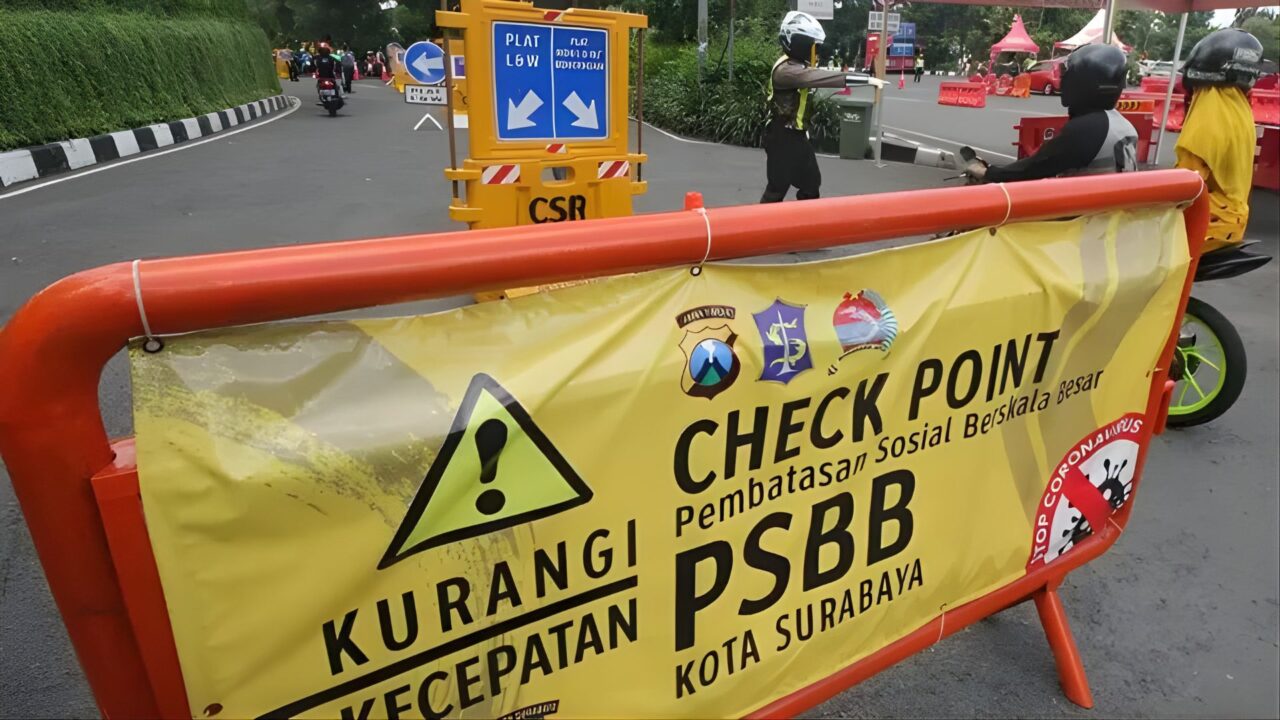

This study aims to offer a policy modelavailable governanceIn increasing the readiness of the local government in response to the transition from the pandemic to the endemic, with case studies in the Surabaya City. The changes in pandemic have been endoled in demanding a policy adjustment not only responsive, but also adaptive to social dynamics, economics, and public health. In this context, the approachavailable governanceIt became relevant because of emphasizing the flexibility, sustainable learning, as well as cross-sector collaboration in public policy processes and implementation.
These studies specifically review the extent of the local government readiness can be improved through adaptive policy integration, from planning, decision making, to implementation in the field. In addition, this study also exploring the institutional capacity, coordination between regional device organizations, and the role of non-government actors in supporting the transition process. It's important to make sure that the generated policies are not rigid, but are able to adjust to a quick and uncertain change of situation.
Furthermore, this research also highlights the importance of restrengthening the regional autonomy function in terms of handling the health crisis. During the pandemic, many policies were central, so it was necessary for an effort to restore the strategic role of the local government as a leading actor in the management of public policy in its region. Thus, the generated model is expected to be a reference in designing a more contextual, participatory, sustainable policy.
The results of this study are expected not only to contribute theoretically in the development of conceptsavailable governance, but also a practical recommendation for local governments in increasing readiness in future crisis situations, especially in the public health sector and adaptive governance.
CPDS Admin