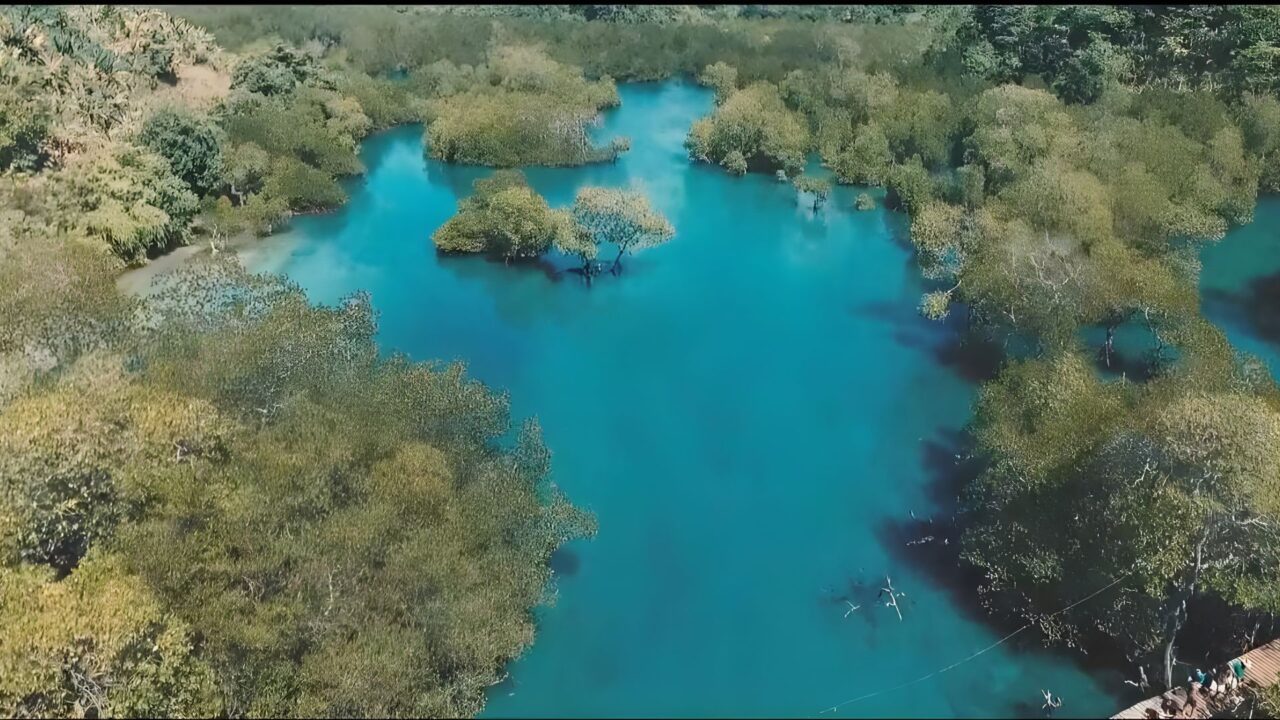
This study aims to comprehensively review the root of conservation region management problems involving various actors and institutions, using theoretical perspective Governance Networks. The main focus of this study is understanding how interaction, collaboration, and the dynamics of my power between my stars of interest.—both governments, local communities, private sector, and nongovernment organizations.—forms the area management pattern of the Mangrove Conservation CMC's Three Colors Clips Up. Besides, this research is trying to dig deeper into the political will.Political will) from society groups in initializing and maintaining conservation region management collectively and sustainability.
Furthermore, this study also analyzes the institutional relations that are formed in management practices, including how coordination, role distribution, as well as decision-making mechanisms run among the actors involved. The other aspect of this is the legal system and policy that covers conservation region management, both in the context of formal regulation and the social norms that grow in society. It's important to see how far the policy framework is able to support or instead become a hindrance in conservation-based travel development.
The results of this study are expected to contribute theoretically in development of a model of interagency cooperation Governance Networks at a local level, particularly in the context of conservation-based tourist villages. In addition, this study is also expected to be able to give practical recommendations to the management of conservation areas and the improvement of sustainable, participatory and adaptive services to environmental and social change. Thus, this study is not only academic relevant, but it also has strategic implications for political development and training for travel management in Indonesia.
CPDS Admin