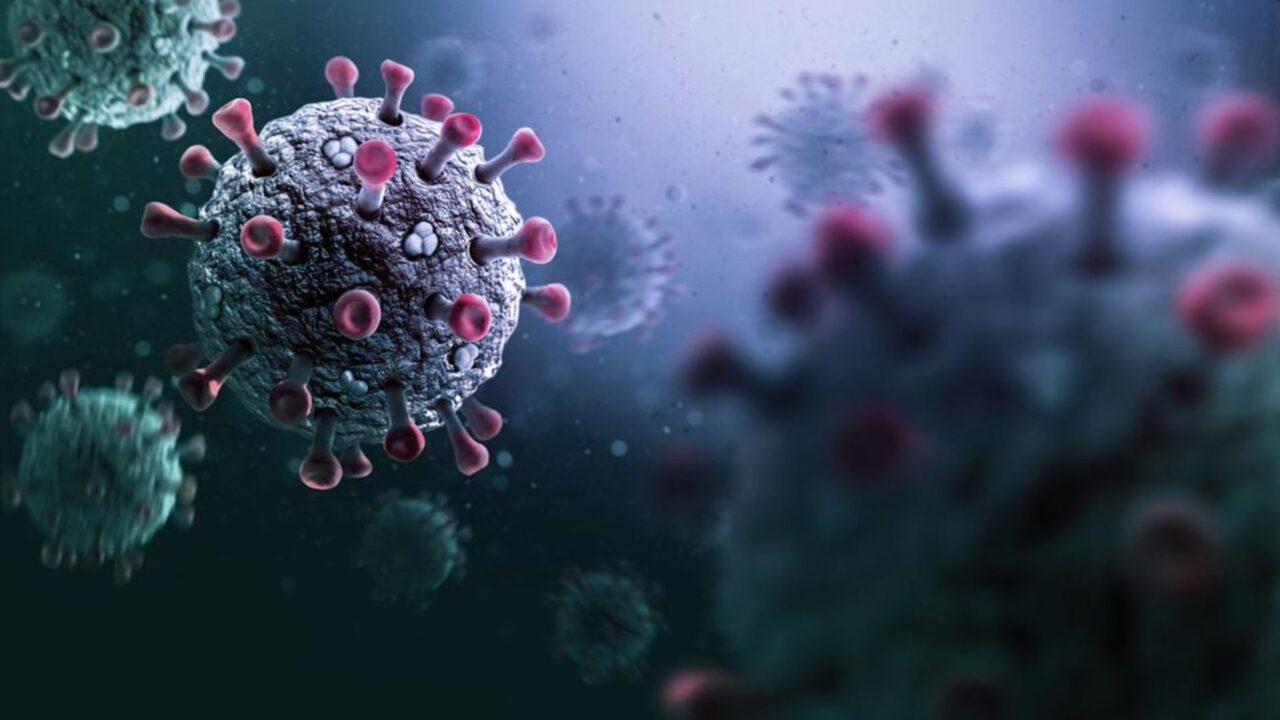
The project aims to explore ways to improve the management of nonnatural disasters, by focusing on handling the Covid-19 disaster handling by the Indonesian government. Non-natural disasters, such as pandemic, require a different approach than natural disasters, both in terms of management and policy and response from government and society. The Covid-19 pandemic gave an important lesson about the importance of government systems and the ability to respond to disasters that were not only physical but also social and economic.
The background of this project is related to the challenges that Indonesia faces in managing nonnatural disasters, especially Covid-19. Distractions, such as uncertainty data, lack of coordination between agencies, and resource limitations, affect government response effectiveness. This project uses literature studies to evaluate policies, procedures, and challenges that the Indonesian government faces in handling pandemic, as well as giving recommendations for future improvement.
The primary purpose of this project is to identify weaknesses and powers in the management of nonnatural disasters during the pandemic, with focus on aspects of coordination between agencies, information systems, and community involvement. This project also aims to give insight into how governments can optimize responses to non-natural disasters that may occur in the future.
The expected impact of this project is an increase in the quality of nonnatural disaster management through more effective policy applications, reinforcement of coordination between the central government and the area, as well as increased community readiness towards future nonnature disasters. Through repair in disaster management systems, Indonesia is expected to increase social resistance - economics and minimize future catastrophic impact.
CPDS Admin